

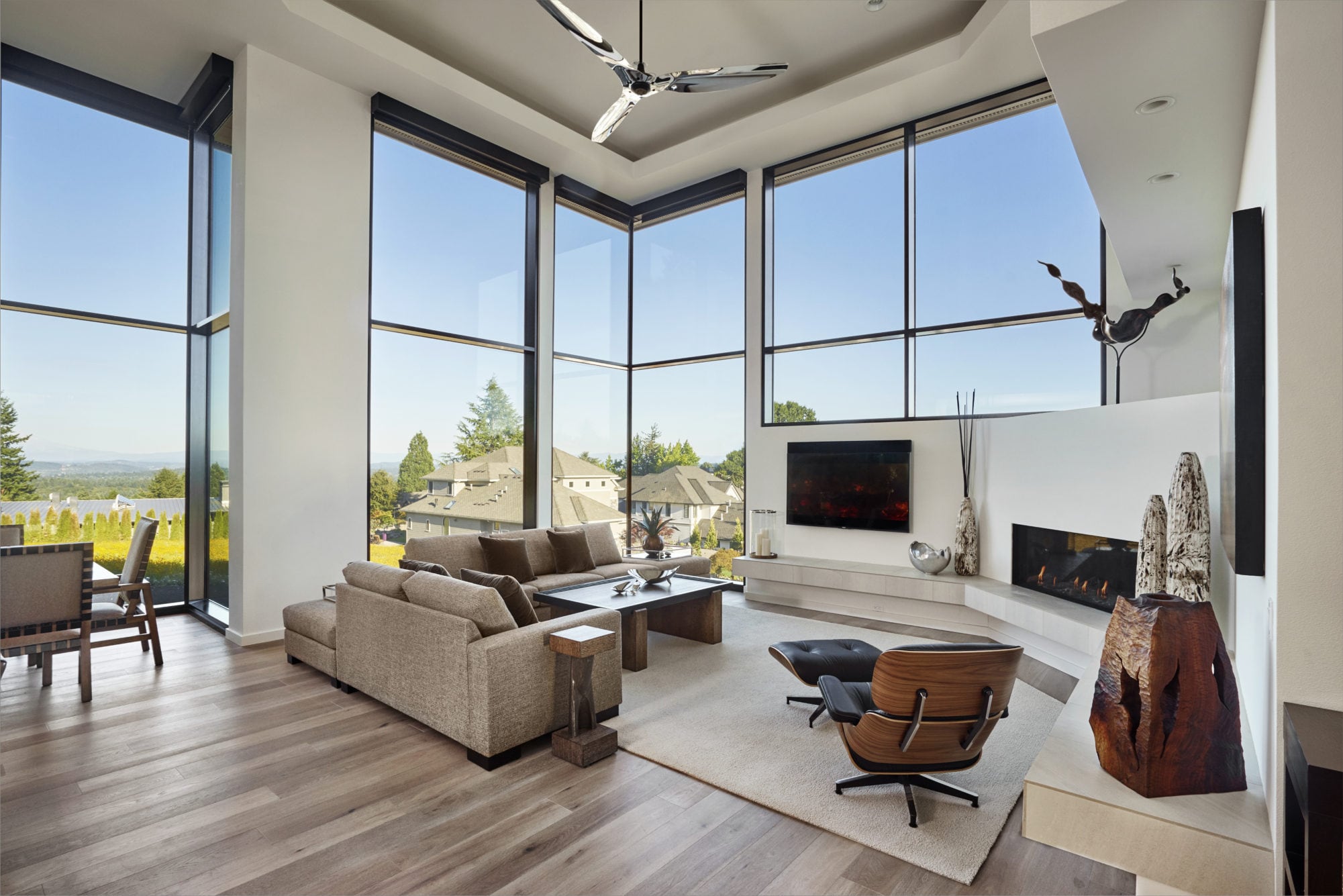
For many Ontario homeowners, the glass decision appears to be a simple choice between two panes and three. Triple-pane windows add a third sheet of glass and a second insulating space, so they can reduce heat transfer and keep the room-side glass warmer in winter. Double-pane windows are lighter and can also achieve strong performance when they use an effective frame, Low-E coating, gas fill, spacer, weather seals, and professional installation.
The right answer is therefore not “triple is always better” or “double is enough.” It is the certified whole-window performance that fits the opening, orientation, room, and priorities. Pane count is one design input.
How insulated glass works
A modern insulated glass unit contains panes separated by sealed spaces. Those spaces slow heat transfer and may be filled with argon or krypton rather than ordinary air. Low-emissivity coatings on one or more glass surfaces reduce radiant heat transfer while allowing visible light through. A perimeter spacer holds the panes apart and seals the unit.
In double glazing, two panes create one insulating space. In triple glazing, three panes create two. The extra layer can improve insulation, but results depend on pane thickness, gap width, gas retention, coating placement, spacer design, frame, sash, and the ratio of glass to frame.
The insulated glass unit is then installed in a frame and sash. Hardware pulls operable sashes against weatherstripping. The finished window is installed and sealed to the wall. Every layer affects real-world comfort.
Compare whole-product ratings, not centre-of-glass claims
Natural Resources Canada requires ENERGY STAR certified windows to be tested against current standards and verified by an independent third party. The product label is the useful comparison tool because it identifies performance for a complete, tested configuration.
U-factor
U-factor measures heat transfer through the product. Lower is generally better for insulation. Confirm that the number is for the whole window, including frame and sash, rather than a centre-of-glass value. A strong glass package can look impressive on a brochure while the complete unit performs differently.
Energy Rating
The Canadian Energy Rating combines heat loss, air leakage, and potential solar heat gain. Higher is generally better. It is useful for comparing annual performance, although it cannot describe every room-specific issue such as west-facing glare or street noise.
Solar heat gain coefficient
SHGC is the fraction of solar heat that passes through the window. Lower values block more solar heat; higher values admit more. The ideal choice depends on orientation, shading, glass area, and cooling needs. A triple-pane unit can be configured with different coatings, so pane count alone does not tell you its solar behaviour.
Visible transmittance and air leakage
Visible transmittance indicates how much visible light comes through. Extra panes and coatings can change daylight and colour slightly, making physical samples useful for design-sensitive rooms. Air-leakage ratings describe unintended air passing through the tested product. Installation must separately control leakage between the window and wall.
Where triple-pane windows have an advantage
Warmer interior glass in winter
The inside surface of better-insulated glazing generally stays warmer in cold weather. That reduces the radiant chill people feel when sitting near a window. In rooms with large glass areas, this comfort improvement can matter even when the thermostat reading stays the same.
Warmer glass can also reduce condensation potential under identical indoor temperature and humidity conditions. It cannot eliminate condensation caused by excessive indoor moisture or blocked airflow, but it gives the interior surface a better thermal starting point.
Lower heat transfer
With a well-designed frame and glass package, triple glazing can achieve a lower whole-product U-factor than a comparable double-glazed configuration. That can be valuable on cold, exposed elevations; in large window walls; or where occupants spend time close to the glass.
Sound control potential
An additional pane can help with sound, but “triple pane” is not a complete acoustic specification. Sound performance also depends on glass thickness, whether panes use different thicknesses, the width of air spaces, laminated glass, airtightness, frame construction, and installation.
Traffic noise contains a range of frequencies. A deliberately designed laminated or asymmetrical glass package may outperform a generic triple-pane unit for a specific noise source. Ask for acoustic ratings or a manufacturer recommendation when sound is a primary goal.
Resilience for comfort-focused projects
Homes with heat pumps, high-performance envelopes, or large modern openings may benefit from lower perimeter heat loss and more stable interior surface temperatures. Triple glazing can support that objective as part of a complete enclosure design.
Where double-pane windows remain a strong choice
High-performing configurations are available
Two panes do not mean low performance. A certified double-pane window with an insulated frame, suitable Low-E coating, gas fill, warm-edge spacer, effective seals, and low air leakage can be appropriate for many Ontario homes.
Lower weight
Double glazing is lighter. Weight can matter for very large operable sashes, hardware longevity, ease of operation, and existing structures. Manufacturers design triple-pane systems to carry their glass, but the correct sash dimensions and hardware limits still matter.
Daylight and solar design flexibility
Some double-pane combinations provide high visible transmittance or useful passive solar gain. That does not make them universally preferable, but it reinforces the importance of comparing actual ratings rather than selecting by pane count.
Selective specification
A homeowner does not have to use one glass package throughout the house. A strong double-glazed unit may suit a smaller, shaded opening, while triple glazing may be chosen for a large north-facing family-room window or a street-facing bedroom. Consistent frame appearance can be maintained across different glass specifications.
Orientation matters as much as pane count
North-facing windows
North-facing openings receive limited direct sun and can feel cold during winter. Lower U-factor and warmer interior glass are often valuable here. Triple glazing may be particularly attractive in bedrooms, seating areas, or rooms with large north-facing glass.
East-facing windows
Morning sunlight can be pleasant but may create glare in bedrooms or home offices. Balance insulation with the desired light level and shading strategy.
South-facing windows
South exposure can provide useful winter sun when overhangs or exterior shading control summer heat. The right SHGC depends on glass area, roof geometry, nearby buildings, trees, and cooling strategy. More solar gain is not automatically better.
West-facing windows
Low afternoon sun can cause overheating and glare. Solar-control coatings, exterior shading, and glass area may have a larger effect on comfort than the difference between two and three panes.
Condensation: what triple glazing can and cannot do
Condensation forms when a surface temperature drops below the dew point of nearby air. Better glazing can keep the inside pane warmer, lowering the likelihood of condensation. Indoor humidity still matters. Cooking, showers, drying clothes, humidifiers, aquariums, plants, and insufficient ventilation can raise moisture levels.
If condensation is on the room-side surface, monitor indoor humidity, use exhaust fans, open window coverings, and maintain airflow. If moisture is trapped between panes, the sealed glass unit has likely failed. If staining or water appears around the frame during rain, investigate the window-to-wall connection and surrounding enclosure.
Do not promise “condensation-free” windows. Product selection, installation, indoor conditions, exterior temperature, and airflow all influence the result.
Low-E coatings and gas fills
Low-E coatings reflect radiant heat. Coating formulations and surface placement can be tuned for insulation, solar control, or a balance. Triple glazing provides additional surfaces on which coatings may be applied, but the glass manufacturer must design the unit to avoid thermal stress and achieve the intended performance.
Argon is a common insulating gas. Krypton can be effective in narrower spaces and appears in some high-performance assemblies. Gas fill is only valuable if the unit is properly sealed and designed. Ask for certified whole-product results rather than treating a gas name as proof of performance.
Frame and spacer performance
Heat can travel through the frame and around the edge of the glass. Vinyl and fiberglass frames are relatively low-conductivity options. Aluminum systems should use engineered thermal breaks when they separate indoor and outdoor conditions. Multi-chamber profiles, reinforcement, sash design, and glass bite all contribute.
Warm-edge spacers reduce heat transfer at the perimeter relative to highly conductive spacer designs. Because the glass edge is often the coldest interior area, spacer choice can influence comfort and condensation resistance.
Installation can erase or preserve the advantage
A low U-factor window installed in a leaky opening will not provide the intended result. The installer must support and fasten the frame without distortion, insulate the perimeter, create a continuous air seal, and manage exterior water. Sealants and flashing must be compatible with the wall and window materials.
Ask how the rough opening will be inspected, how sill drainage will work, what insulation will be used, and how interior and exterior layers will connect. If an existing frame is being retained, ask how its condition and perimeter sealing were verified.
A room-by-room decision checklist
For each opening, record:
- Orientation and exterior shading
- Window size and percentage of the wall that is glass
- Fixed or operable style
- How close people sit or sleep to the window
- Current comfort, condensation, or noise complaints
- Desired daylight and privacy
- Frame material and finish
- Certified U-factor, Energy Rating, SHGC, visible transmittance, and air leakage
- Glass thickness or laminated layer if sound is important
- Installation method and perimeter details
This schedule turns a vague double-versus-triple debate into a product decision tied to actual rooms.
Which should you choose?
Choose triple glazing when lower heat transfer, a warmer winter glass surface, large glazed areas, or sound control is a priority and the complete unit supports those goals. Choose a high-performing double-glazed configuration when its certified ratings, solar behaviour, weight, and room-specific performance suit the opening.
In both cases, insist on whole-product data and a credible installation plan. Northview offers a range of residential window types and can help match glass, frames, and operating styles to Ontario conditions. Explore Northview windows and request a consultation for an opening-by-opening recommendation.
Frequently asked questions
Are triple-pane windows better for noise?
They can be, but pane count alone does not determine sound control. Laminated glass, different pane thicknesses, air-space dimensions, airtight frames, and installation can be equally important. Ask for an acoustic specification suited to the noise source.
Do triple-pane windows stop condensation?
They may reduce condensation potential by keeping the interior pane warmer. They cannot compensate for excessive indoor humidity, blocked airflow, or a building-envelope leak.
Can a home use both double and triple glazing?
Yes. Different elevations and rooms can use different glass packages while maintaining a consistent exterior frame style. Compare certified performance for each proposed configuration.


Leave A Comment
You must be logged in to post a comment.